Underwater Maintenance & Repair
Maintenance and repair for hulls, propellers, anodes and submerged fittings.

Underwater Maintenance & Repair Scope
Underwater welding, hull cleaning, ship maintenance and tank cleaning records.
Underwater welding is carried out in wet conditions. Dry hyperbaric welding is a separate method using a pressurised enclosure. The method selected depends on the work.
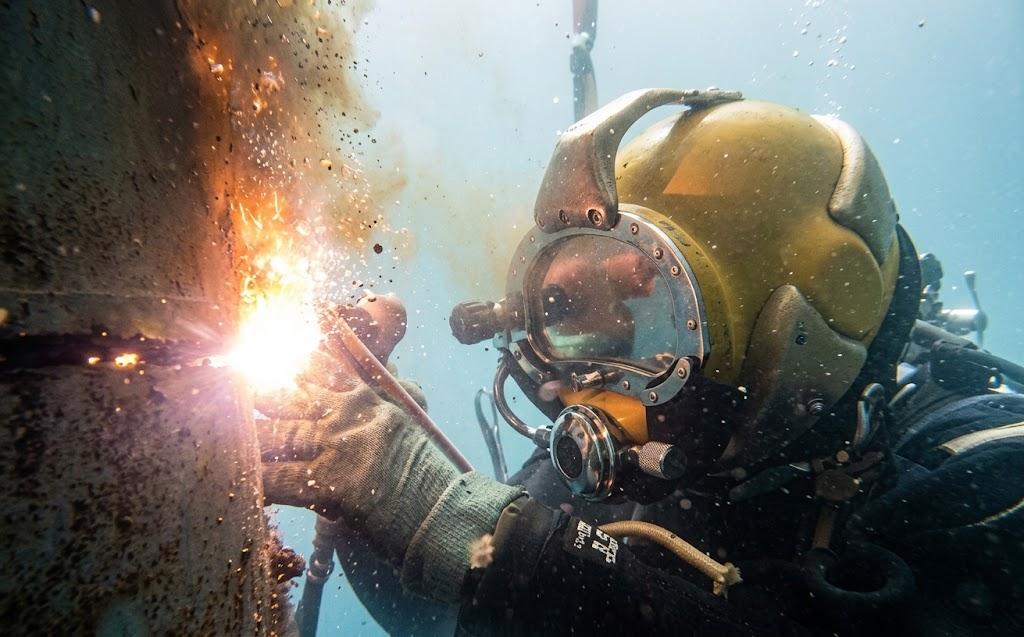
The purpose of underwater hull cleaning is to remove biological roughness or fouling. A build-up of marine fouling can lead to increased drag, resulting in a detrimental impact on a vessel's hydrodynamic performance and hence the relationship between speed, power performance and fuel consumption. Fouling, particularly in the case of a prolific build-up of hard or shell fouling like barnacles or tubeworm, can cause turbulence, cavitation and noise, frequently affecting the performance of sonars, speed logs and other hull mounted sensors.
Hull cleaning removes fouling from the submerged hull. Depending on the vessel and work scope, it may be carried out by divers or remotely operated equipment; the method must account for the existing coating.
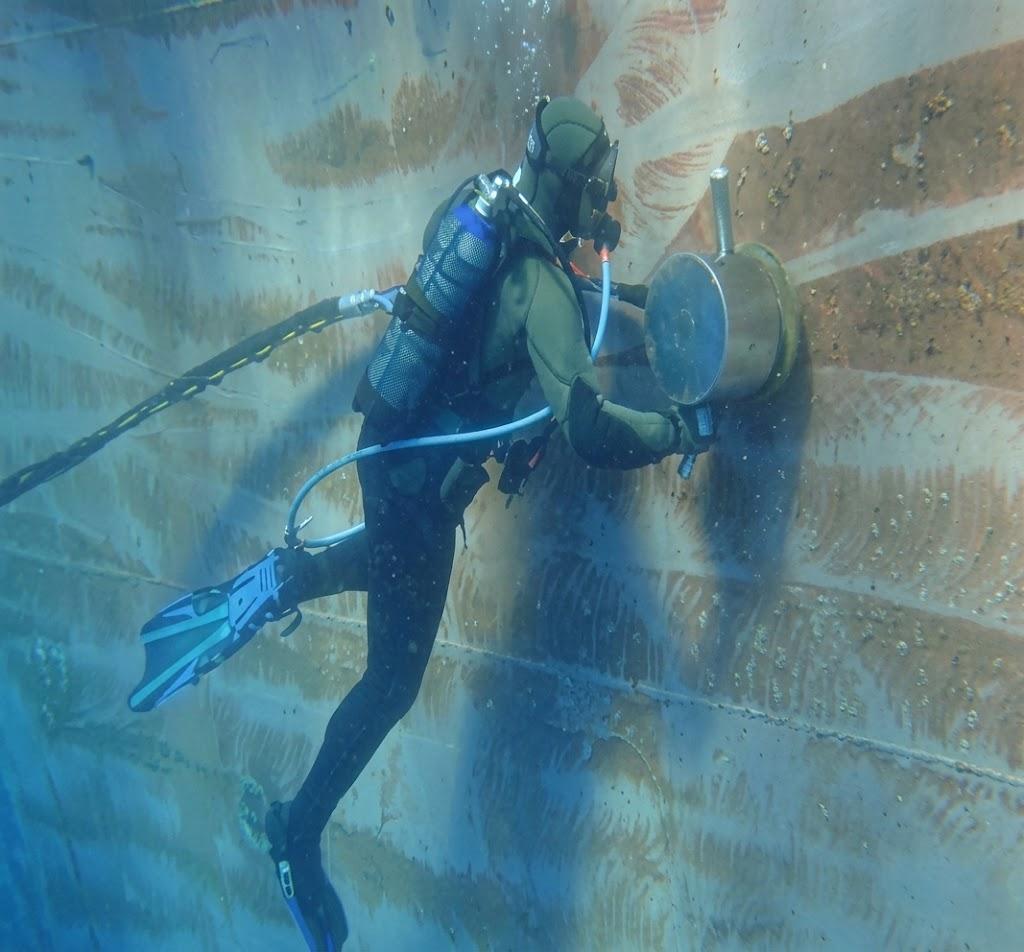
Underwater ship maintenance can include hull cleaning, propeller polishing, anode replacement and repair tasks. The exact work depends on vessel condition and the agreed scope.
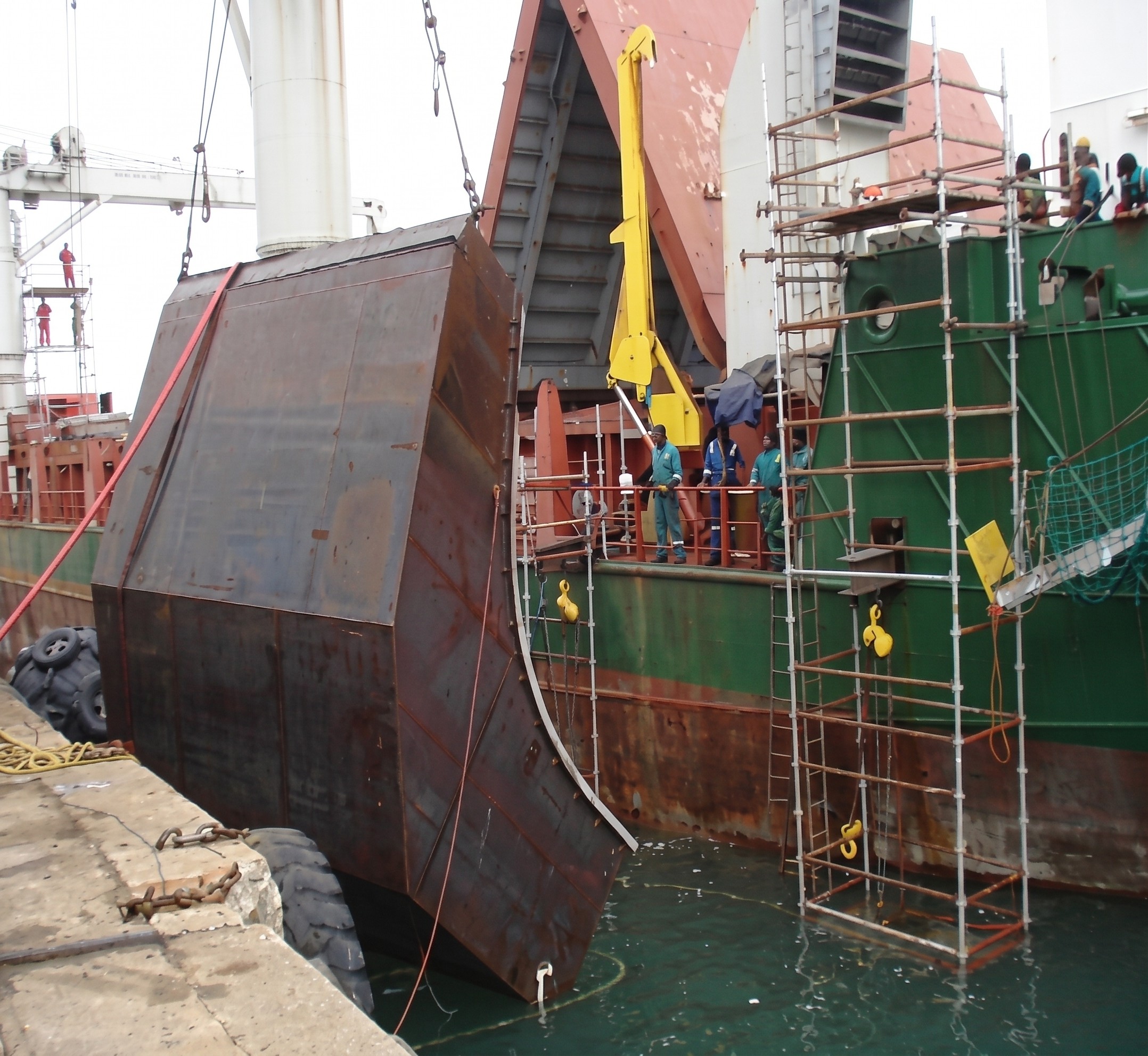
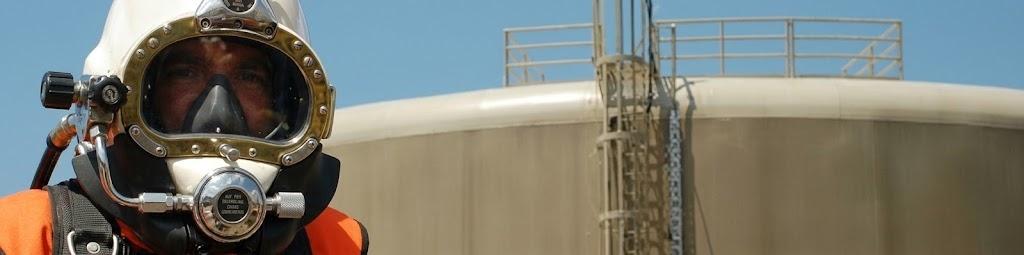
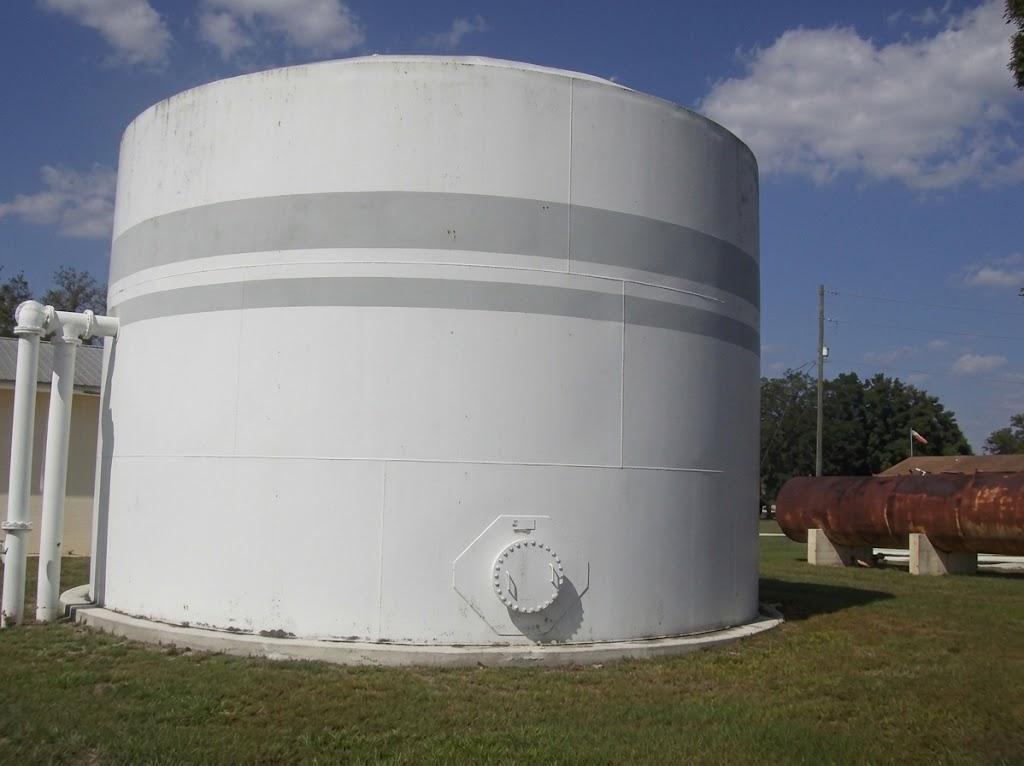
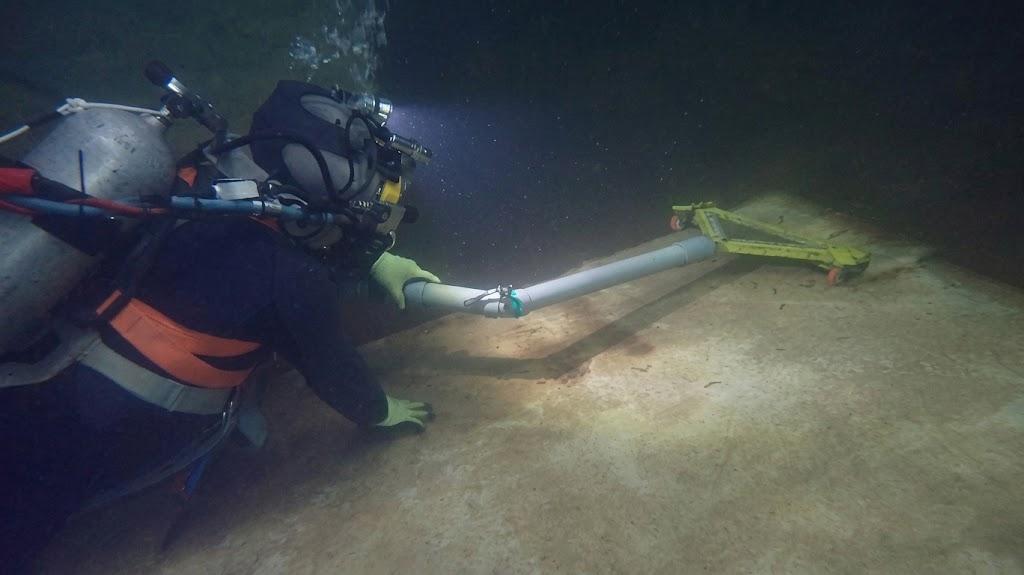
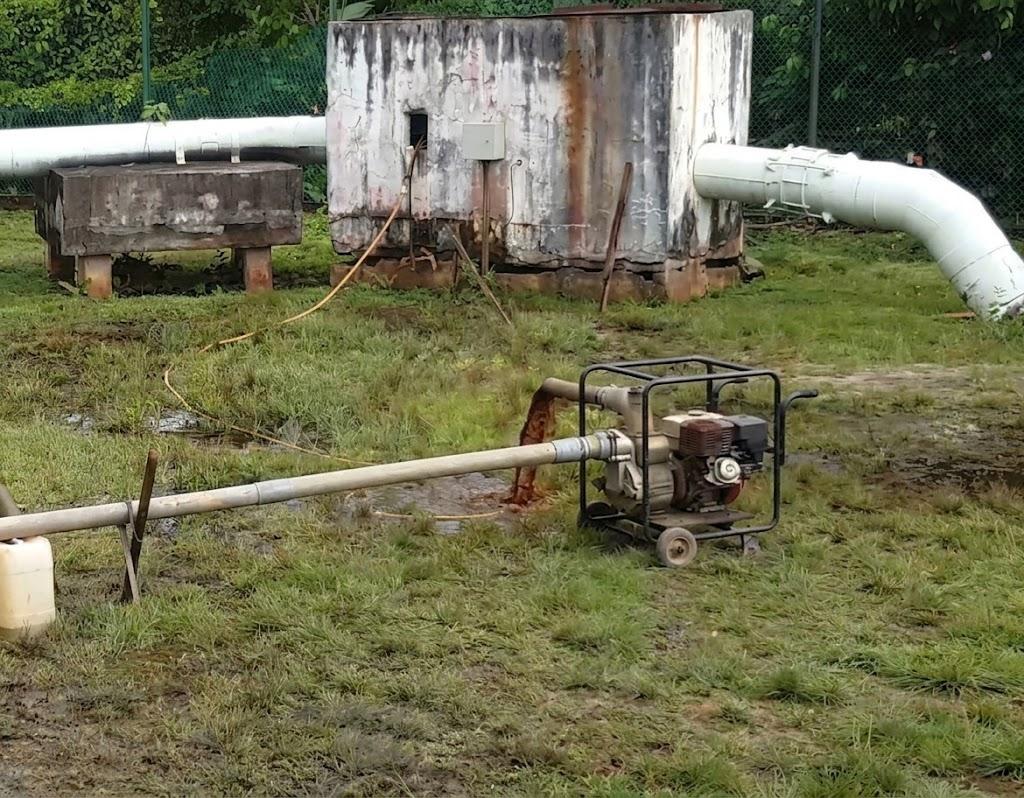
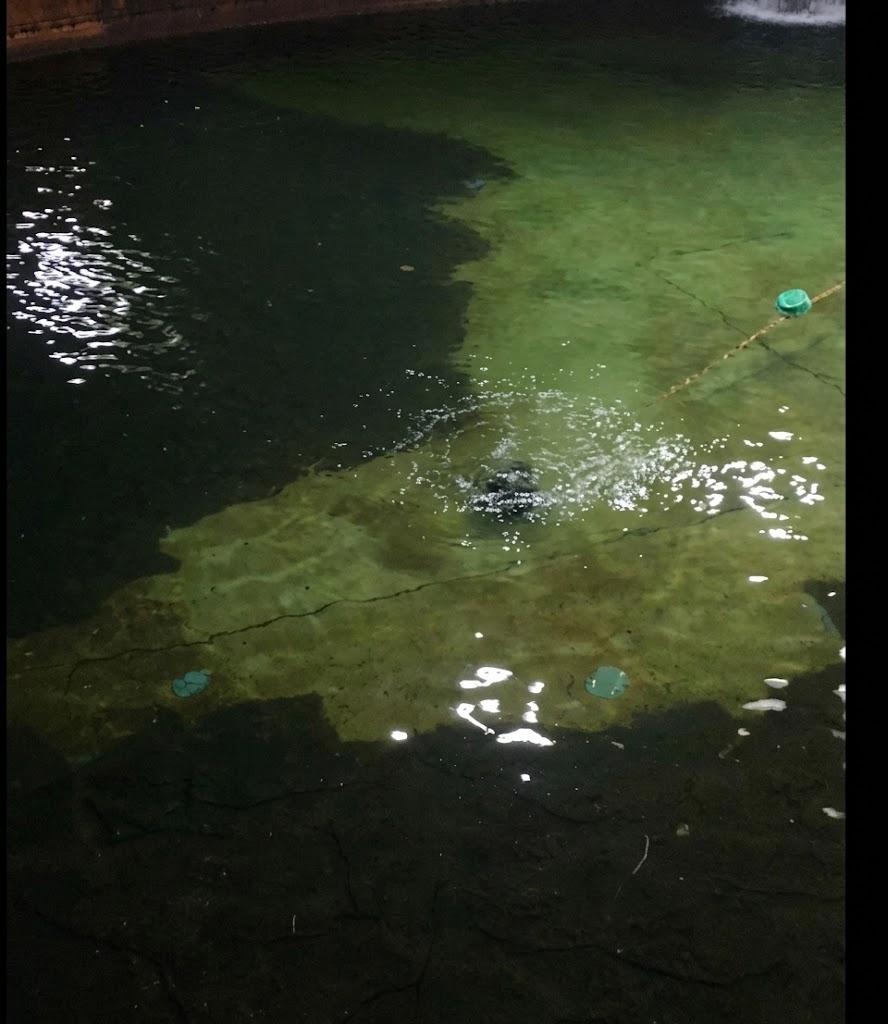
Tank inspection can assess steel and concrete surfaces, coatings, sediment, fittings and pipework. The resulting scope may include cleaning, repairs or further testing as required.
Identification of Needs & Opportunity
- Inspection works on steel structures are needed to primarily ascertain fatigue cracks especially at welded connections, coatings condition survey to determine extend of corrosion and thickness gauging at critical areas.
- Divers will conduct a CCTV survey on structures with more focus on areas that are known to have a very high stress level. These areas will be inspected by Eddy Current Testing and/or Magnetic Particle Inspection if necessary, followed by still photography.
- Visual inspection on concrete structures is usually conducted to determine surface condition and damage of concrete surface that has been interacting with water for an extended period of time.
- Visual inspection will also determine formation of slime and algae that has been colonizing on surface of concrete and steel structures.
Scope of Works
There is a few method and observation to be alert to this kind of inspection:
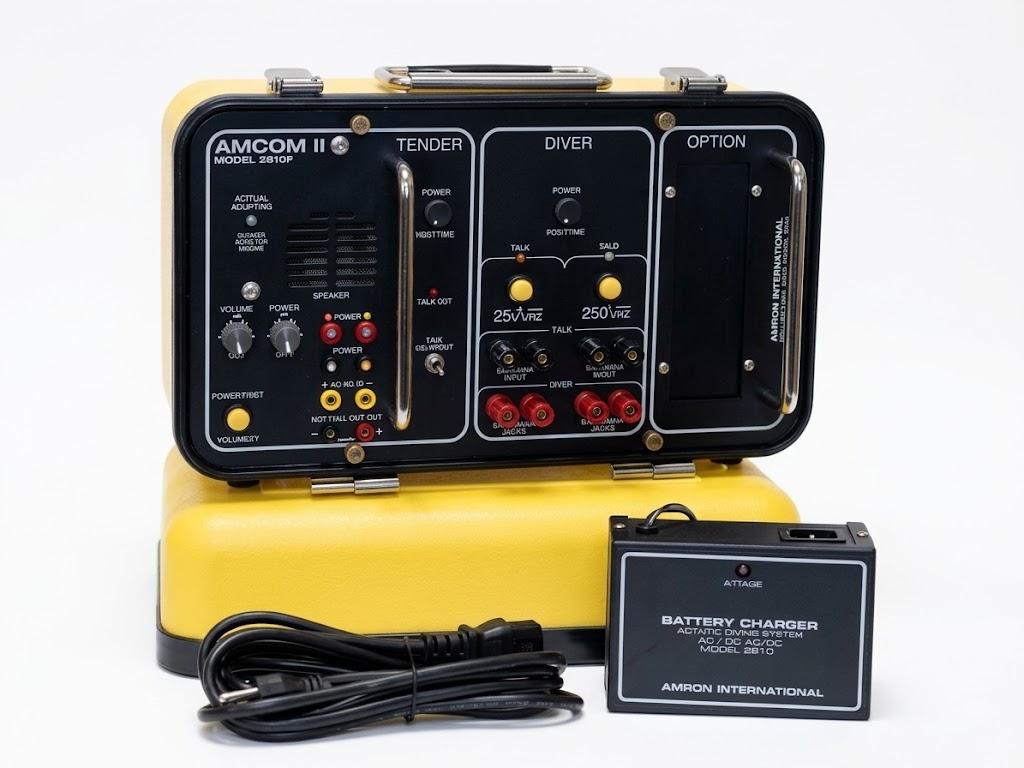
- Two-ways communication between diver and supervisor.
- CCTV monitoring from supervisor side. (Representative can also monitor).
- Inspect the plating (for steel) and surface (for concrete) if there is any damaged or any sedimentation in the tank.
- Cleaning, removing and repairing if any damaged or any sedimentation observed.
- Ensure all protective coating still intact.
- Ensure the gasket is in good condition.
- Ensure all main pipes not choked.
- Inspect the corrosion build up inside the steel tank.
- Inspect any cracks or dentations for concrete.
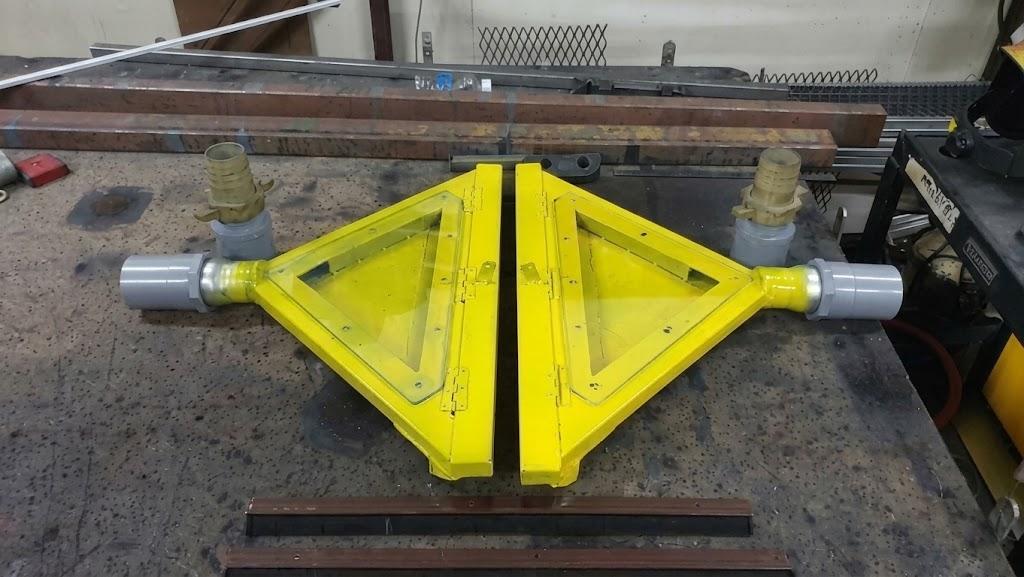
Equipment, methods & technical references
Explore the equipment, methods and technical references used across diving, inspection, maintenance and subsea work.
Related services
Explore the other BlueFin service families for work above and below the waterline.